
In Wheaton, the Courthouse Is Part of the Neighborhood
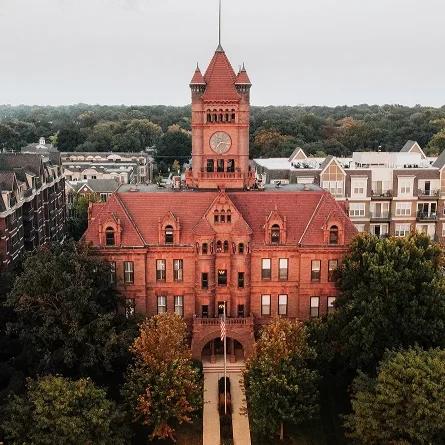
Every DuPage County divorce ends up at the Judicial Center on County Farm Road, and for Wheaton families that building is a few minutes from home. Being close does not make it less intimidating. Most people walk in knowing nothing about what happens in the domestic relations courtrooms on the second and third floors, or why so many of their court dates last ten minutes. The red brick courthouse downtown stopped hearing cases decades ago, and everything now runs through the Judicial Center in the Eighteenth Judicial Circuit.
Kulerski & Cornelison is a divorce and family law firm in Oakbrook Terrace, a short drive east of Wheaton. Kari L. Cornelison has practiced Illinois family law since 1996. She is a court-certified mediator, a trained collaborative lawyer, and an attorney who has tried contested family cases in DuPage County. Those three usually describe three different lawyers. Having done all of it is what makes it possible to say what staying out of court is actually worth in your case.
Why Wheaton Clients Work With Us
This firm was built around resolving cases outside a courtroom. That is the practice itself, not a service line held back for clients who think to ask, and it changes what the first meeting is about.
The same few things come up every time:


How Illinois Family Law Applies to a Wheaton Case
Illinois has been a no-fault state since 2016. Irreconcilable differences is the only ground, and under 750 ILCS 5/401(a-5), living separate and apart for six months conclusively establishes it. Wheaton cases are filed electronically and heard at the DuPage County Judicial Center, 505 North County Farm Road. Most early court dates are short status calls that check whether the case is moving. A handful of statutes then decide most of the substance.
The provisions that decide most cases:

Property Division
Marital property is divided equitably under 750 ILCS 5/503, not necessarily equally. The court looks at each spouse’s contribution, the length of the marriage and what each will realistically earn afterward. Debts are divided the same way, and money spent on something unrelated to the marriage while it was breaking down can be charged back to the spouse who spent it as dissipation.

Parental Responsibilities and Parenting Time
Allocated under 750 ILCS 5/602.5 and 602.7, with a parenting plan due within 120 days of service. In DuPage, parents of minor children complete a court-approved parent education program, and a disagreement over the parenting plan usually goes to mediation before a judge decides it.

Spousal Maintenance
Governed by 750 ILCS 5/504. Below $500,000 in combined gross income a guideline formula sets the amount, and the length of the marriage sets the duration. Outside the guideline, the court works from the statutory factors and has to explain its reasoning on the record.

Child Support
The income shares model in 750 ILCS 5/505 combines both parents’ net incomes and divides the obligation by the overnight count. Once each parent has at least 146 overnights, a shared parenting calculation applies, so the schedule and the support figure get negotiated together whether anyone says so or not.

Relocation and Modifications
Moving more than 25 miles from a DuPage residence with the children takes notice to the other parent and, if contested, court approval under 750 ILCS 5/609.2. Parenting and support orders can be modified later when circumstances change substantially, and a well-drafted plan anticipates the obvious changes.
Understanding this at the outset is worth real money. Most of the expensive disputes we see started as a misunderstanding about what the law actually required.
What Actually Happens at the Judicial Center
Most of a DuPage divorce happens on paper and in short appearances. The first court dates are usually status calls, where the judge checks what has been exchanged and sets the next deadline. Financial affidavits and supporting documents go back and forth in discovery. If there are children, both parents take the parent education program, and a dispute over the parenting plan normally goes to a court-approved mediator before it goes to a hearing. When a parent needs supervised time or a neutral place to exchange the children, the court can refer the family to the DuPage County Family Center. An agreed case ends at a prove-up, a short hearing where the judge reviews the settlement and enters the judgment. A contested one ends at trial. Knowing which kind of appearance is coming, and what the judge expects at it, takes most of the dread out of the process.
What We Handle for Wheaton Clients
We work across the full range of Illinois family law, with the emphasis on resolving matters without a trial wherever the case allows it. Mediation, collaborative divorce, cooperative divorce and one-lawyer divorce are the normal routes here rather than alternatives held in reserve. When a case does have to be litigated, it is handled by an attorney who has actually tried family law cases in DuPage and Cook County.
Where to Start
The earliest choices in a divorce shape everything downstream, and most of them get made before anyone has taken legal advice. A single conversation now is usually the cheapest hour of the whole case.
Common Situations Wheaton Families Bring Us
The presenting problem is rarely the actual problem. An argument about a Wednesday overnight is usually an argument about something else, and naming that early tends to shorten the case.

A spouse who has already filed, and a first court date only a few weeks away

Parents who agree on most of the schedule and are stuck on the school year

A family business or a professional practice that has to be valued before anything else can settle

A spouse who will not engage with the process at all

A judgment from years ago that no longer fits how the children actually live
Each one has a legal answer and a practical answer. Part of the job is telling you when those are different.
How We Work
The route matters more than the argument. Most of the gap between a four month divorce and a two year one is decided at the start, not in a courtroom.
We start with your situation, not your paperwork
What you want the result to look like, and what your spouse is realistically going to do. The second answer shapes everything after it.
We pick a route and price it honestly
Mediation, collaborative, cooperative, one-lawyer or traditional. Each asks something different of you, and some of those demands are uncomfortable enough that clients would rather hear about them now than in month six.
We build the financial record before anyone negotiates
Income, accounts, retirement, the house, the debt. Getting this right at the start is what stops a settlement unraveling two years later.
We document it so it holds
The marital settlement agreement and parenting plan, written to be read years from now by two people who no longer talk much, without a lawyer needed to interpret them.
We will also tell you when your position will not survive contact with a judge. Early, in a meeting that costs a fraction of what a failed hearing would.
Serving Wheaton and the Surrounding Communities
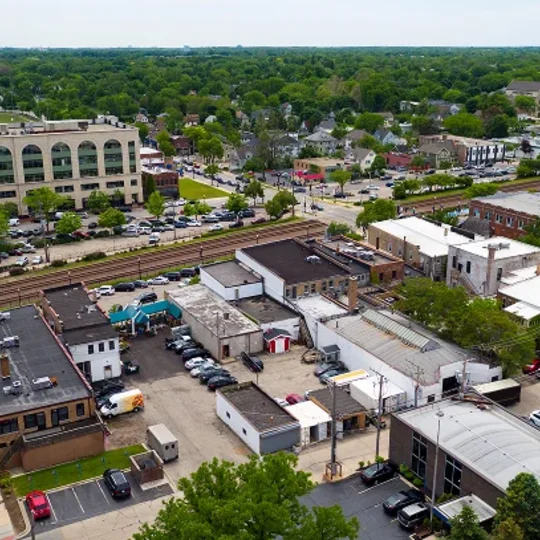
Our office is in Oakbrook Terrace, a short drive east of Wheaton. We represent clients throughout DuPage County and into Cook County, including Naperville, Lisle, Downers Grove, Glen Ellyn, Winfield, Warrenville, Carol Stream, Oak Brook and Westmont. Every DuPage case is heard in the same courthouse in Wheaton, so for Wheaton clients the drive to court is the short part.
Meet Attorney Kari L. Cornelison
Kari has practiced family law in the Chicago area since 1996. She is a court-certified mediator, a trained collaborative practitioner, and a divorce litigator with years of trial work in the DuPage and Cook County courts behind her. The trial experience is deliberate rather than incidental. Lawyers who only ever settle tend to overvalue settlement, and lawyers who only ever litigate tend to undervalue it. Having done both, she can tell a Wheaton client what a judge in Wheaton is likely to do with a particular set of facts, then leave it to the client to decide whether the offer on the table beats that. Her practice is built around keeping families out of court wherever it is possible, not because litigation never has a place, but because she has watched what a contested divorce does to people and to their children.

What Our Clients Say
“Kari made a stressful process easier to manage. She explained everything clearly and always kept my family’s needs first.”

Contact Our DuPage County Family Law Office
Whether you are still weighing the decision or your spouse has already filed, the choices made early shape the ones left later. Call our Oakbrook Terrace office at (630) 928-0600 or send us a message to arrange a consultation.