Divorce Mediation Attorney in Cook County, Illinois
Divorce is a major life transition, but it does not have to involve hostility, public court battles, or years of unresolved conflict. For many couples in Cook County, divorce mediation provides a more private, efficient, and respectful way to resolve the end of a marriage. Mediation allows spouses to work together toward fair solutions while avoiding much of the stress and expense associated with traditional litigation.
At Kulerski & Cornelison, attorney Kari Cornelison helps Cook County couples navigate divorce mediation with clarity and balance. With more than twenty years of experience in Illinois family law, Kari focuses on guiding clients toward practical agreements that protect their financial interests, support their children, and allow them to move forward without unnecessary conflict.
Understanding Divorce Mediation
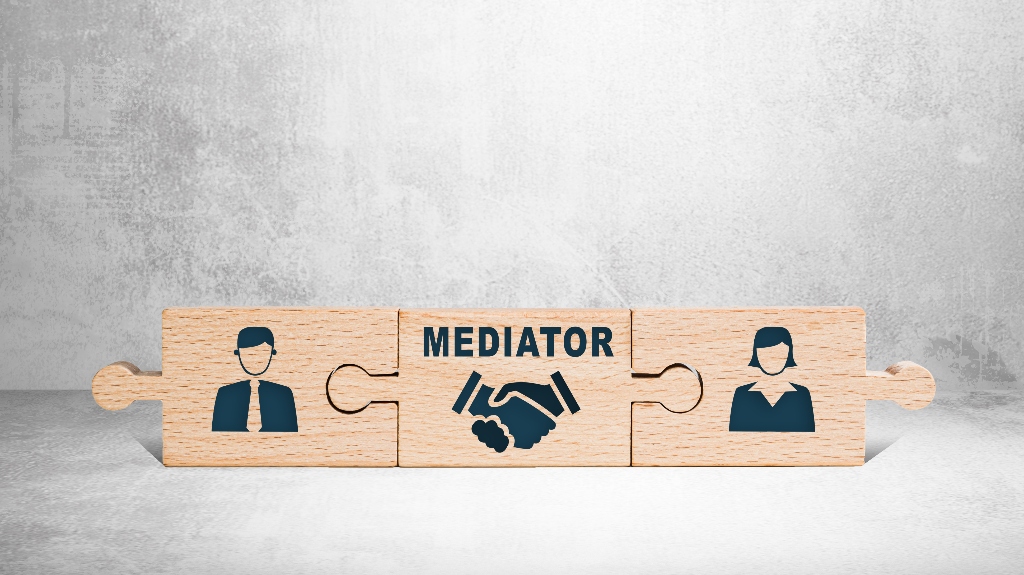
Divorce mediation is a voluntary process in which spouses work with a neutral mediator to resolve the legal and practical issues involved in ending a marriage. Instead of asking a judge to decide the outcome, mediation allows spouses to retain control and create agreements tailored to their specific circumstances.
A mediator does not represent either spouse and does not take sides. The mediator’s role is to facilitate productive discussion, help clarify concerns, and guide negotiations on issues such as:
- Division of marital assets and debts
- Parenting time and parental responsibilities
- Child support and related expenses
- Spousal maintenance
When spouses reach agreement, the terms are typically incorporated into a Marital Settlement Agreement. After court review and approval, the agreement becomes legally binding and finalizes the divorce.
How Divorce Mediation Works in Illinois
Although each mediation is unique, the process generally follows a structured and efficient path.
The mediation process often includes:
- Both spouses agreeing to participate in good faith
- Initial meetings to discuss goals, concerns, and expectations
- Exchange of financial information so both parties have a complete picture
- Joint or separate mediation sessions focused on resolving outstanding issues
- Preparation and filing of final settlement documents for court approval
The mediator ensures that discussions remain respectful and balanced and that both spouses have the opportunity to be heard. Once the judge approves the mediated agreement, the divorce is finalized without contested hearings.
Issues Commonly Resolved Through Mediation
Mediation can address nearly every issue that must be resolved before an Illinois divorce can be finalized. The process is flexible and adaptable to each family’s needs.
Common mediation topics include:
- Division of marital property, investments, and debts
- Parenting schedules and decision-making authority
- Child support and allocation of child-related costs
- Spousal maintenance
- Division of the marital home or other real estate
- Tax considerations and post-divorce financial planning
Because mediation is not constrained by courtroom procedures, couples often reach solutions that are more creative and workable than those imposed by a judge.
Why Mediation Appeals to Cook County Couples
Many couples throughout Cook County, including those living and working in Chicago and nearby communities, choose mediation because it offers efficiency, privacy, and flexibility.
Key benefits include:
- Reduced legal costs due to fewer court appearances
- Faster resolution compared to litigated cases
- Confidential discussions rather than public court proceedings
- Less emotional strain for spouses and children
For parents, mediation also supports healthier co-parenting. By learning to resolve disputes cooperatively during divorce, parents often establish communication patterns that benefit their children long after the divorce is complete.
Mediation Compared to Traditional Litigation
Traditional divorce litigation typically involves formal discovery, multiple court dates, and contested hearings. In Cook County’s busy court system, this process can be lengthy and unpredictable.
Mediation takes a different approach. Instead of preparing for trial, spouses focus on negotiation and compromise. Many mediated divorces conclude in a matter of months, depending on complexity and cooperation.
While litigation can deepen divisions, mediation promotes understanding and mutual problem-solving. Agreements reached through mediation are often easier to follow because both parties participated directly in creating them.
When Mediation May Not Be the Right Option
Mediation works best when both spouses are willing to communicate honestly and participate in good faith. It may not be appropriate in cases involving:
- Concealed assets or financial dishonesty
- Refusal to cooperate or negotiate
- Intimidation, coercion, or abuse
If mediation is not appropriate, Kari Cornelison can help clients consider other approaches, including cooperative divorce, collaborative divorce, or traditional representation. Her priority is always protecting clients while minimizing unnecessary harm.
Working With Kari Cornelison
Kari Cornelison has dedicated her career to helping Illinois families resolve divorce matters efficiently and respectfully. She brings a calm, practical approach to mediation and helps clients understand both the legal and personal implications of their decisions.
From her Oak Brook office, Kari serves clients throughout Cook County and surrounding areas. She understands how Cook County courts review mediated agreements and ensures that each settlement meets the legal standards required for approval.
Clients appreciate her ability to explain complex issues clearly and guide discussions in a way that keeps the focus on resolution rather than conflict.
Serving Clients Throughout Cook County
Kulerski & Cornelison represents individuals and families throughout Cook County who want to resolve divorce matters through mediation rather than litigation. Whether your concerns involve property division, parenting arrangements, or financial support, Kari provides steady guidance at every stage of the process.
Contact Kulerski & Cornelison
If you are considering divorce mediation in Cook County, having experienced guidance can make a meaningful difference. Kari Cornelison will explain how mediation works, what to expect, and whether it is appropriate for your situation.
Contact Kulerski & Cornelison today to schedule a confidential consultation and learn how divorce mediation can help you reach a fair and efficient resolution without unnecessary court involvement.
Mediation allows you to move forward with greater control, privacy, and cooperation.