
Cooperative Divorce Attorney in Cook County, Illinois
Divorce does not have to be a battle fought in court. Many couples want to separate fairly, protect their children, and move forward without unnecessary conflict or expense. A cooperative divorce offers a constructive alternative that focuses on communication, transparency, and resolution.
At Kulerski & Cornelison, attorney Kari Cornelison helps individuals and families throughout Cook County approach divorce with honesty, respect, and efficiency. With more than 20 years of experience in Illinois family law, Kari guides clients through cooperative divorce in a way that reduces stress, controls costs, and keeps decision-making in the hands of the people most affected.
What Is a Cooperative Divorce?
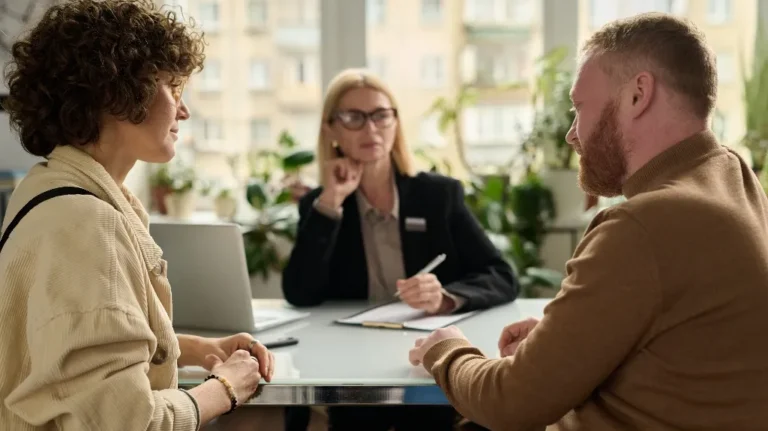
A cooperative divorce is a modern, settlement-focused approach designed for spouses who are willing to work together toward a fair resolution. Instead of preparing for trial, both spouses and their attorneys agree to exchange information openly, negotiate in good faith, and prioritize solutions.
The goal is to resolve all divorce-related issues without escalating conflict or relying on a judge to decide deeply personal matters. Unlike traditional litigation, where communication often happens only through formal legal filings, cooperative divorce encourages collaboration and problem-solving from the start.
A cooperative divorce emphasizes:
- Transparency and voluntary sharing of information
- Direct, solution-oriented communication
- Practical compromise rather than adversarial positions
- Maintaining control over outcomes
This approach allows spouses to remain actively involved in shaping agreements that affect their family, finances, and future.
How the Cooperative Divorce Process Works in Illinois
A cooperative divorce follows the same legal framework as any Illinois divorce, but the process is handled differently.
The typical steps include:
- One spouse files a Petition for Dissolution of Marriage in Cook County
- Both spouses commit to working cooperatively and in good faith
- Financial documents are exchanged voluntarily rather than through contested discovery
- Attorneys guide discussions on property division, parenting arrangements, and support
- Once agreements are reached, settlement documents are prepared and submitted to the court
By avoiding unnecessary court appearances and contested motions, cooperative divorces often move more efficiently than litigated cases. For many Cook County families, this approach preserves civility and reduces the emotional toll of divorce.
Benefits of a Cooperative Divorce
A cooperative divorce offers several advantages for couples who want to resolve their divorce with dignity and control.
Lower Overall Cost
Because there are fewer court hearings, discovery disputes, and contested motions, cooperative divorce often costs significantly less than traditional litigation.
Reduced Emotional Stress
Working together encourages respectful communication and keeps the focus on solutions rather than blame, which can be especially important for families with children.
Faster Resolution
When both parties commit to transparency and negotiation, cooperative divorces can often be resolved in months rather than stretching on for a year or more.
Greater Control Over Decisions
Instead of leaving decisions about property, finances, or children to a judge, spouses design agreements that reflect their family’s unique needs.
Stronger Co-Parenting Foundation
For parents, the cooperative process often supports healthier long-term co-parenting by fostering communication and mutual respect early on.
Is a Cooperative Divorce Right for You?
Cooperative divorce works best when both spouses share a willingness to resolve matters respectfully. It is most effective when both parties:
- Are committed to acting in good faith
- Are honest about finances and assets
- Want to avoid prolonged court battles
- Are willing to compromise to reach a fair outcome
Even when disagreements exist at the outset, an experienced attorney can help guide discussions productively. Kari Cornelison has helped many clients who began the process with uncertainty but ultimately reached agreements that worked for both sides.
If one spouse refuses to cooperate, conceals assets, or will not negotiate honestly, cooperative divorce may not be appropriate. In those situations, traditional negotiation or litigation may be necessary. Kari provides clear, honest guidance about which approach best protects your interests.
Cooperative Divorce Compared to Collaborative Divorce
Cooperative divorce and collaborative divorce share similar goals but differ in structure.
In a collaborative divorce:
- Attorneys must withdraw if negotiations fail
- New counsel must be hired if the case proceeds to court
In a cooperative divorce:
- Attorneys are not required to withdraw
- Negotiations can continue, or the case can shift if necessary
This flexibility makes cooperative divorce a practical option for Cook County couples who want to work together while keeping all legal options available.
Issues Addressed in a Cooperative Divorce
Even in a cooperative setting, all legal issues required under Illinois law must be resolved before a divorce can be finalized.
These issues typically include:
- Division of marital property and debts
- Allocation of parental responsibilities
- Parenting time schedules
- Child support and spousal maintenance
- The marital home or other real estate
- Education-related expenses
- Health and life insurance obligations
Kari Cornelison ensures each agreement complies with Illinois law and promotes a fair, balanced resolution that supports long-term stability.
The Importance of Legal Guidance
While cooperative divorce reduces conflict, it still involves complex legal and financial decisions. Experienced legal guidance helps ensure agreements are complete, enforceable, and structured to prevent future disputes.
Kari combines deep knowledge of Illinois divorce law with a calm, solution-oriented approach. She takes the time to explain each term of an agreement so clients understand how it affects their rights, finances, and future.
Serving Clients Throughout Cook County
From her Oak Brook office, Kari Cornelison serves clients throughout Cook County, including Chicago and surrounding communities. Her practice focuses exclusively on family law, allowing her to deliver consistent, knowledgeable representation tailored to the needs of Cook County families.
Contact Kulerski & Cornelison
If you are considering a cooperative divorce in Cook County, you deserve guidance from an attorney who understands both the legal process and the human side of divorce.
Attorney Kari Cornelison has more than two decades of experience helping Illinois couples resolve divorces without unnecessary conflict. She is ready to discuss your goals, explain your options, and help you take the next step toward a respectful resolution.
Contact Kulerski & Cornelison today to schedule a confidential consultation and learn more about how cooperative divorce can help you move forward with confidence.