
Collaborative Divorce Attorney in Cook County, Illinois
Divorce does not have to be hostile, adversarial, or decided by a judge after months of conflict. Many spouses want to separate in a way that preserves dignity, protects their children, and allows them to maintain control over important decisions. Collaborative divorce offers a respectful alternative to traditional litigation.
At Kulerski & Cornelison, attorney Kari Cornelison helps individuals and families throughout Cook County pursue divorce through a cooperative and solution-focused process. With more than twenty years of experience in Illinois family law, she guides clients through collaborative divorce with an emphasis on communication, efficiency, and long-term stability.
What Is Collaborative Divorce?
Collaborative divorce is a structured legal process in which both spouses and their attorneys commit to resolving all divorce-related issues outside of court. Rather than preparing for litigation, everyone involved works together toward a mutually acceptable settlement.
A defining feature of collaborative divorce is the participation agreement. Both spouses and their attorneys agree that if the collaborative process fails and litigation becomes necessary, the attorneys must withdraw and new counsel must be retained. This requirement ensures that all parties remain fully committed to cooperation and problem-solving.
Collaborative divorce is often well suited for couples who want to:
- Maintain control over decisions affecting their family and finances
- Avoid the stress, cost, and uncertainty of court proceedings
- Protect children from prolonged conflict
- Preserve privacy and mutual respect
How the Collaborative Divorce Process Works in Illinois
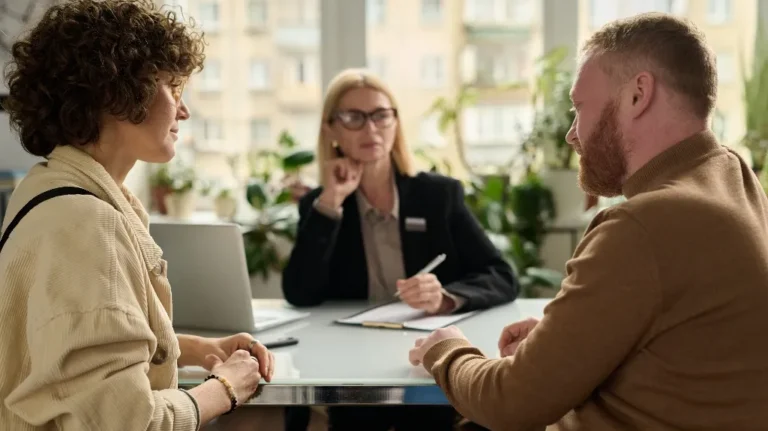
Instead of court hearings and contested motions, collaborative divorce unfolds through a series of structured meetings. Each spouse is represented by an attorney trained in collaborative law who provides legal guidance while supporting a cooperative process.
The collaborative process typically involves:
- Voluntary and transparent exchange of financial information
- Joint discussions to identify priorities and concerns
- Exploration of options for resolving disputes
- Problem-solving focused on fairness and practicality
When appropriate, neutral professionals may be included to support the process. These can include financial specialists to assist with asset division, parenting coordinators to help structure parenting plans, or mental health professionals who facilitate communication. These professionals act as part of the collaborative team and focus on solutions rather than outcomes that favor one side.
Once agreements are reached, the attorneys prepare a written settlement and submit it to the court for approval, finalizing the divorce without contested hearings.
Benefits of Collaborative Divorce for Cook County Families
Collaborative divorce offers meaningful advantages for couples who want to separate thoughtfully and efficiently.
Common benefits include:
- Fewer delays and less time spent in court
- Lower overall costs compared to contested divorce
- Reduced emotional strain for spouses and children
- Greater privacy, since negotiations remain confidential
- Agreements tailored to the family rather than imposed by a judge
For many families living and working in Cook County, including Chicago and nearby communities, collaborative divorce provides a more constructive path forward, especially when ongoing co-parenting is required.
Collaborative Divorce vs. Traditional Divorce
Traditional divorce often involves formal court filings, discovery disputes, and contested hearings. This process can take months or even years and may increase hostility between spouses. It can also place sensitive family and financial details into the public court record.
Collaborative divorce takes the opposite approach. Instead of relying on motions and courtroom strategy, spouses meet directly with their attorneys to resolve issues through discussion and compromise. The focus is on cooperation, transparency, and long-term problem-solving.
For many Cook County families, this approach results in:
- More practical and durable agreements
- Less damage to co-parenting relationships
- A smoother transition into life after divorce
When Collaborative Divorce Works Best
Collaborative divorce works best when both spouses are willing to:
- Communicate openly and honestly
- Share financial information voluntarily
- Participate in good faith
- Focus on long-term outcomes rather than short-term leverage
It is particularly effective for parents who want to protect children from the stress of litigation and preserve a functional co-parenting relationship. Families who plan to continue living, working, and raising children in the same Cook County communities often benefit from the cooperative nature of the process.
Collaborative divorce may not be appropriate in cases involving hidden assets, refusal to participate honestly, safety concerns, or significant power imbalances. Kari Cornelison carefully evaluates each situation and helps clients determine whether collaborative divorce is the right approach or whether another form of representation would better protect their interests.
Issues Resolved Through Collaborative Divorce
Although the process is cooperative, all legal issues must still be resolved before a divorce can be finalized. Collaborative divorce provides a structured and respectful environment to address these matters thoroughly.
Issues commonly addressed include:
- Division of marital property and debts
- Allocation of parental responsibilities
- Parenting time schedules
- Child support
- Spousal maintenance
Kari works closely with clients to ensure every agreement complies with Illinois law and addresses both immediate needs and long-term considerations. Her knowledge of the Illinois Marriage and Dissolution of Marriage Act helps clients avoid future disputes and maintain stability after the divorce is complete.
Why Work With Kari Cornelison
Kari Cornelison focuses her practice exclusively on family law and brings a straightforward, compassionate approach to every case. She understands that most people seeking divorce want to resolve matters efficiently, fairly, and without unnecessary hostility.
With extensive experience serving clients throughout Cook County, Kari brings both local insight and practical problem-solving skills to the collaborative process. Her commitment to settlement-based family law allows clients to remain actively involved in shaping their outcomes while reducing the stress often associated with traditional divorce litigation.
Clients consistently value her ability to balance empathy with clear legal guidance and realistic expectations.
Serving Clients Throughout Cook County
From her office in Oak Brook, Kari Cornelison serves clients throughout Cook County, including Chicago and surrounding communities. Her exclusive focus on family law allows her to deliver knowledgeable and personalized representation tailored to the needs of families across the county.
Contact Kulerski & Cornelison
If you are considering collaborative divorce in Cook County, you deserve an attorney who understands how to balance efficiency, fairness, and compassion. Kari Cornelison will help you evaluate whether collaborative divorce is appropriate for your situation and guide you through each step of the process.
Contact Kulerski & Cornelison today to schedule a confidential consultation and learn how collaborative divorce can help you reach a respectful and lasting resolution.